

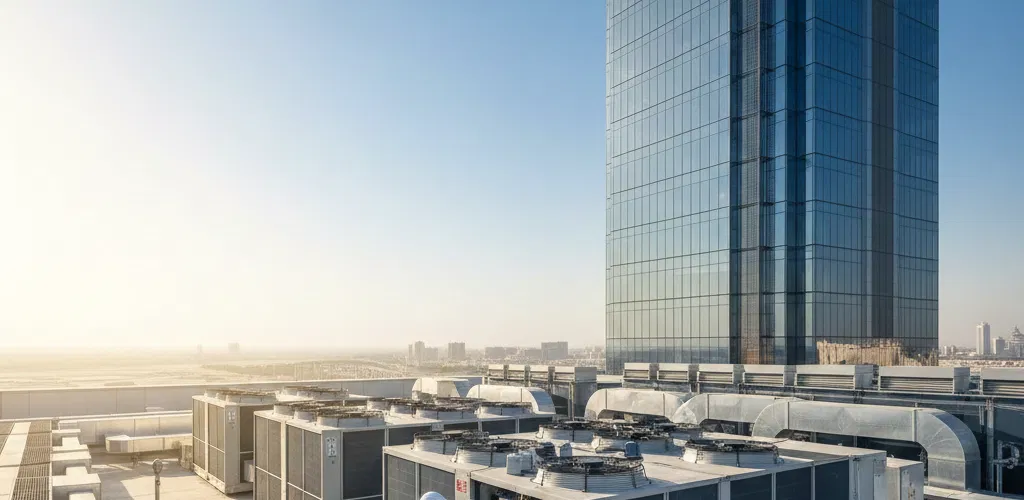
In the UAE’s extreme climate, where air conditioning operates year-round and cooling represents up to 70% of a commercial building’s energy consumption, HVAC system maintenance isn’t optional, it’s operationally critical. For facility managers, building owners, and commercial property developers across Dubai, Abu Dhabi, and Sharjah, effective maintenance strategies directly impact energy costs, equipment longevity, occupant comfort, and business continuity.
Yet despite its importance, HVAC maintenance often receives inadequate attention until system failures force reactive interventions. This approach proves costly, emergency repairs cost significantly more than preventive maintenance, unplanned downtime disrupts operations, and neglected systems consume substantially more energy than properly maintained installations.
This comprehensive guide examines the essential elements of commercial HVAC maintenance in the UAE context, providing facility managers and decision-makers with actionable strategies to optimise system performance, control costs, and ensure reliable operation in one of the world’s most demanding operating environments.
Why HVAC Maintenance Matters More in the UAE
The UAE’s climate places extraordinary demands on HVAC systems. Outdoor temperatures regularly exceed 45°C during summer months, creating temperature differentials of 20–25°C between outdoor and conditioned indoor environments. This extreme delta means HVAC equipment works harder and operates longer than counterparts in temperate climates.
Continuous operation accelerates component wear. Compressors cycle more frequently, fan motors run longer hours, and filters accumulate dust more rapidly due to the region’s desert environment. Without proper maintenance, efficiency degrades quickly, a phenomenon that manifests as rising energy bills, reduced cooling capacity, and increased breakdown frequency.
Beyond energy costs, equipment longevity suffers. HVAC systems represent significant capital investments. Chillers, air handling units, and central air conditioning equipment can cost hundreds of thousands to millions of dirhams. Proper maintenance extends equipment life from 10–15 years to 15–20 years or beyond, deferring replacement costs and maximising return on investment.
Occupant comfort and productivity depend on reliable HVAC performance. In commercial offices, uncomfortable temperatures reduce employee productivity and increase complaints. In retail environments, inadequate cooling drives customers away. In hotels, HVAC problems generate negative reviews and damage reputation. These operational impacts often exceed direct energy and repair costs.
Understanding Commercial HVAC System Types in UAE Buildings
Effective maintenance requires understanding the specific HVAC technologies installed. Commercial buildings in the UAE typically employ several system types, each with distinct maintenance requirements.
Central chilled water systems serve large commercial towers and mixed-use developments. These installations feature centralised chiller plants, chilled water distribution networks, air handling units (AHUs) on each floor, and fan coil units (FCUs) serving individual zones. Maintenance encompasses chiller servicing, pump maintenance, water treatment, ductwork cleaning, and terminal unit servicing.
Variable refrigerant flow (VRF) systems have gained popularity in medium-sized commercial buildings due to their energy efficiency and zoning flexibility. VRF installations comprise outdoor condensing units, refrigerant piping networks, and multiple indoor units. Maintenance focuses on refrigerant circuit integrity, compressor health, heat exchanger cleanliness, and individual unit servicing.
Packaged rooftop units serve warehouses, retail spaces, and industrial facilities. These self-contained systems include all components in single or split configurations. Maintenance addresses compressor operation, coil cleanliness, filter replacement, and ductwork integrity.
Split air conditioning systems cool smaller commercial spaces and individual zones. Whilst simpler than central systems, they still require regular filter cleaning, coil maintenance, refrigerant checks, and drainage management.
Understanding your building’s HVAC configuration guides maintenance strategy, informs scheduling, and helps evaluate contractor proposals.
Essential Components of a Comprehensive HVAC Maintenance Programme
Effective commercial HVAC maintenance comprises several interconnected elements, each contributing to overall system performance and reliability.
Scheduled Preventive Maintenance
Preventive maintenance forms the foundation of any effective HVAC programme. This approach involves regularly scheduled inspections, cleaning, adjustments, and component replacements based on time intervals or operating hours rather than waiting for failures.
For UAE commercial buildings, quarterly preventive maintenance typically proves optimal, balancing thoroughness with cost-effectiveness. This frequency allows technicians to identify developing issues before they cause failures whilst managing service costs reasonably.
Preventive maintenance visits should include filter inspection and replacement, coil cleaning (condenser and evaporator), refrigerant level checks, electrical connection tightening, thermostat calibration, belt inspection and adjustment, lubrication of moving parts, and drainage system verification.
This proactive approach catches small problems before they escalate. A loose electrical connection identified during preventive maintenance costs nothing to tighten. The same connection, left unaddressed, can cause compressor failure, a repair costing thousands of dirhams and days of downtime.
Filter Management and Indoor Air Quality
Air filters protect HVAC equipment whilst maintaining indoor air quality. In the UAE’s dusty environment, filters accumulate particulates rapidly. Clogged filters restrict airflow, forcing equipment to work harder, reducing efficiency, and degrading indoor air quality.
Commercial HVAC systems employ various filter types, from basic panel filters to high-efficiency particulate air (HEPA) filters in sensitive applications. Filter replacement frequency depends on system type, filter grade, and environmental conditions.
Office buildings typically require filter changes every 1–3 months. Facilities in dusty locations or near construction sites may need monthly replacement. Neglecting filter changes is false economy, filters cost relatively little, but restricted airflow drives significant energy waste and equipment strain.
Building management systems can monitor filter condition through differential pressure sensors, alerting facility teams when replacement is needed. This technology-enabled approach optimises filter changes based on actual condition rather than arbitrary schedules.
Coil Cleaning and Heat Transfer Efficiency
Heat exchanger coils, both evaporator coils inside buildings and condenser coils in outdoor units, must remain clean to transfer heat efficiently. Dust, pollen, and airborne particles accumulate on coil surfaces, creating insulating layers that impede heat transfer.
Dirty coils force compressors to work harder and longer to achieve desired temperatures, increasing energy consumption significantly. A coil with 0.042 inches of dirt buildup can reduce efficiency by 21%, according to HVAC industry studies. In UAE conditions, this efficiency loss translates directly to higher cooling costs.
Professional coil cleaning involves chemical treatments that dissolve accumulated debris without damaging delicate aluminium fins. This process, performed annually or biannually depending on conditions, restores heat transfer efficiency and reduces operating costs.
Condenser coils in outdoor units face particularly harsh conditions, direct sunlight, airborne sand, and sustained high temperatures. Regular inspection and cleaning of these components proves especially critical in the UAE environment.
Refrigerant Management and Leak Detection
Refrigerant circulates through HVAC systems, absorbing heat indoors and rejecting it outdoors. Proper refrigerant charge is essential, too little reduces cooling capacity, whilst too much increases operating pressures and energy consumption.
Refrigerant leaks develop gradually through vibration, corrosion, or connection failures. Slow leaks may go unnoticed initially, but progressive refrigerant loss degrades performance over time. Regular checks of refrigerant levels and operating pressures help identify leaks before significant loss occurs.
Environmental regulations increasingly restrict certain refrigerants due to ozone depletion and global warming concerns. Modern HVAC maintenance includes monitoring refrigerant types, ensuring proper handling, and planning for eventual equipment upgrades as older refrigerants are phased out.
Electrical System Inspection and Calibration
HVAC equipment relies on electrical components, contactors, capacitors, relays, and control circuits. These components experience thermal stress, particularly in outdoor units exposed to UAE’s extreme temperatures.
Electrical connections can loosen through thermal cycling and vibration. Loose connections create resistance, generating heat that damages components and creates fire hazards. Regular inspection and tightening of electrical terminals prevents these issues.
Capacitors assist compressor and fan motor starting. They degrade over time, eventually failing and preventing equipment operation. Proactive capacitor replacement during maintenance visits prevents unexpected breakdowns.
Thermostat calibration ensures accurate temperature control. Miscalibrated thermostats cause unnecessary compressor cycling or inadequate cooling, problems that waste energy and compromise comfort.
Drainage System Maintenance
Air conditioning produces condensate, water that condenses on cold evaporator coils. This water must drain away properly to prevent overflow, water damage, and microbial growth.
In humid coastal areas like Dubai and Abu Dhabi, condensate production is substantial. Drainage pans and lines require regular inspection and cleaning to prevent blockages. Algae and biofilm commonly develop in standing water, eventually obstructing drainage paths.
Blocked drains cause water to back up, potentially overflowing into occupied spaces and causing ceiling damage, mould growth, and equipment corrosion. Prevention through regular drain cleaning costs far less than repairing water damage.
Condensate pumps, where installed, require functional verification. Pump failures can cause immediate water damage, making regular testing essential.
Annual Maintenance Contracts: Value and Considerations
Many UAE businesses and property managers opt for annual maintenance contracts (AMCs) with professional HVAC contractors. These agreements provide scheduled maintenance visits, priority service for breakdowns, and sometimes include consumables like filters.
AMCs offer several advantages. They ensure maintenance happens consistently rather than being deferred during busy periods. They establish contractual service level agreements, defining response times and performance standards. They often provide cost savings compared to ad-hoc service calls.
When evaluating AMC proposals, examine several factors. What does the contract cover, preventive maintenance only, or are repairs included? How many visits per year are specified? What is the guaranteed response time for emergency calls? Are parts and materials included, or charged separately?
Comprehensive AMCs that include parts and labour provide budgeting certainty, you know your HVAC costs upfront rather than facing unexpected repair bills. Basic AMCs covering preventive maintenance only cost less but don’t protect against repair expenses.
Contractor qualifications matter significantly. Choose ISO-certified HVAC maintenance providers with UAE experience, trained technicians, and proper equipment. The cheapest AMC may prove expensive if service quality is inadequate.
Energy Efficiency Optimisation Through Maintenance
Beyond preventing breakdowns, strategic maintenance significantly improves energy efficiency, a critical consideration given the UAE’s high cooling costs.
Clean filters, coils, and ductwork reduce system resistance, allowing equipment to deliver required cooling with less energy input. Proper refrigerant charge optimises thermodynamic efficiency. Calibrated controls prevent unnecessary operation and maintain optimal setpoints.
Building management systems (BMS) provide powerful tools for energy optimisation when properly maintained. These systems monitor temperatures, control equipment staging, and implement scheduling strategies. However, BMS databases require periodic review and updating as building use patterns change.
Variable frequency drives (VFDs) on fans and pumps modulate motor speed based on demand, reducing energy consumption during partial load conditions. VFD maintenance includes checking programming, cleaning power electronics, and verifying proper operation.
Regular energy consumption analysis identifies inefficiencies. Comparing current usage to historical baselines reveals degrading performance before it becomes severe. Many modern HVAC systems provide energy monitoring data that, when reviewed regularly, enables data-driven maintenance decisions.
Seasonal Considerations and Peak Preparation
Whilst the UAE requires cooling year-round, demand peaks during summer months. Preparing HVAC systems before peak season prevents failures during the most critical period.
Pre-summer maintenance should thoroughly inspect all components, addressing any marginal issues before extreme heat arrives. Chillers operating reliably in spring may fail under sustained summer loads if minor problems aren’t corrected.
Cooling tower maintenance (for water-cooled systems) becomes especially important before summer. Cleaning fill media, checking water distribution, inspecting fan assemblies, and verifying water treatment programmes ensures towers can reject heat effectively during peak demand.
Emergency preparedness planning identifies critical spares and establishes response protocols. For mission-critical facilities, maintaining spare compressors, motors, or control boards can dramatically reduce downtime if failures occur.
Common HVAC Problems in UAE Commercial Buildings
Understanding typical HVAC issues helps facility managers recognise problems early and communicate effectively with contractors.
Insufficient cooling capacity often results from dirty coils, low refrigerant, or undersized equipment. If spaces consistently fail to reach setpoints, investigate these factors.
High energy consumption suggests efficiency degradation, dirty components, refrigerant issues, or control problems. Comparing current usage to historical data helps identify developing issues.
Uneven temperature distribution indicates airflow problems, duct leaks, or zone control issues. Proper maintenance includes verifying damper operation and airflow balancing.
Excessive noise suggests mechanical problems, worn bearings, loose components, or failing compressors. Unusual sounds warrant immediate investigation before minor issues cause major failures.
Water leaks or stains point to drainage problems requiring prompt attention to prevent damage and microbial growth.
Frequent cycling (short runtime between starts) reduces efficiency and stresses equipment. Causes include oversized equipment, control issues, or refrigerant problems.
Selecting Qualified HVAC Maintenance Providers in the UAE
The quality of maintenance services depends heavily on contractor expertise. When selecting HVAC maintenance companies in Dubai or elsewhere in the UAE, evaluate several factors.
ISO certification demonstrates commitment to quality management systems and consistent service delivery. UAE experience ensures familiarity with local climate challenges, equipment types, and regulatory requirements.
Technical capabilities matter, maintenance providers should employ certified technicians trained on multiple equipment brands. Manufacturer-specific training for installed equipment adds value.
Response capabilities, particularly emergency response times, prove critical when breakdowns occur. Contractors with multiple service teams and adequate parts inventory respond faster than small operators.
References from similar facilities provide insight into service quality and reliability. Ask prospective contractors for client references and follow up to learn about their experiences.
Transparent pricing structures prevent surprises. Quality contractors provide detailed proposals clearly outlining services, visit frequencies, inclusions, and exclusions.
The Business Case for Proactive HVAC Maintenance
The financial benefits of comprehensive HVAC maintenance extend across multiple dimensions. Energy savings alone typically justify maintenance costs. A well-maintained system operating 15–20% more efficiently than a neglected installation generates monthly savings exceeding typical maintenance costs.
Extended equipment life defers major capital expenditures. Replacing central HVAC equipment represents significant investment, deferring replacement by 5–10 years through proper maintenance generates substantial financial return.
Reduced downtime prevents business disruption. For commercial operations where HVAC failure means closing or operating under suboptimal conditions, maintenance preventing failures protects revenue.
Warranty protection often requires documented maintenance. Equipment warranties may require adherence to manufacturer maintenance schedules, proper maintenance preserves warranty coverage.
Regulatory compliance, particularly regarding energy efficiency and refrigerant management, requires documented maintenance programmes. Professional maintenance provides necessary documentation for audits and certifications.
Frequently Asked Questions
How often should commercial HVAC systems be serviced in the UAE?
Commercial HVAC systems in the UAE typically require quarterly preventive maintenance, four service visits annually. This frequency addresses the accelerated wear from continuous operation in extreme heat. Critical facilities like data centres or hospitals may require monthly maintenance, whilst smaller installations might function adequately with biannual servicing.
What is included in a typical HVAC maintenance visit?
Standard maintenance visits include filter inspection and replacement, coil cleaning, refrigerant level checks, electrical connection inspection and tightening, thermostat calibration, belt inspection and adjustment, drainage system verification, and overall system performance evaluation. Comprehensive services also include detailed reporting on system condition and recommendations for any necessary repairs.
What are the signs that HVAC equipment needs immediate attention?
Warning signs include spaces not reaching desired temperatures despite system operation, unusual noises (grinding, squealing, banging), visible water leaks or ceiling stains, musty odours suggesting microbial growth, significantly increased energy bills without usage changes, and frequent system cycling (starting and stopping). Any of these symptoms warrants prompt professional evaluation.
Are annual maintenance contracts better than paying for service as needed?
Annual maintenance contracts typically provide better value for commercial buildings. They ensure consistent maintenance rather than being deferred, often include cost savings compared to ad-hoc services, provide priority response for emergencies, and offer budgeting certainty. Comprehensive contracts including parts and labour eliminate unexpected repair costs, though they cost more than basic preventive-maintenance-only agreements.
How long should commercial HVAC equipment last in the UAE?
With proper maintenance, quality commercial HVAC equipment should operate effectively for 15–20 years in the UAE, despite the demanding climate. Chillers and central plant equipment often achieve 20–25 years with excellent maintenance. Neglected systems frequently fail after 8–12 years. The investment in proper maintenance dramatically extends equipment life and defers major capital expenditures.
Can building management systems reduce HVAC maintenance requirements?
Building management systems (BMS) don’t reduce maintenance needs but enhance maintenance effectiveness. BMS platforms monitor system performance, detect developing problems early, optimise operation for efficiency, and maintain maintenance logs. These capabilities enable data-driven maintenance decisions, help predict failures before they occur, and document compliance with maintenance schedules, making maintenance more effective rather than less necessary.
Conclusion
In the UAE’s demanding climate, commercial HVAC maintenance transcends routine service, it represents a strategic operational necessity directly impacting energy costs, equipment longevity, occupant comfort, and business continuity. Facility managers and building owners who prioritise comprehensive, professionally delivered maintenance programmes realise substantial financial benefits whilst ensuring reliable system performance.
The choice between reactive and proactive maintenance approaches ultimately determines whether HVAC systems serve as reliable operational assets or sources of ongoing problems and unexpected costs. Engage professional UAE-based HVAC contractors experienced in commercial applications, implement structured preventive maintenance programmes, and monitor system performance consistently. This approach establishes the foundation for operational excellence, cost control, and sustained building performance in one of the world’s most challenging operating environments.


No comments yet.