

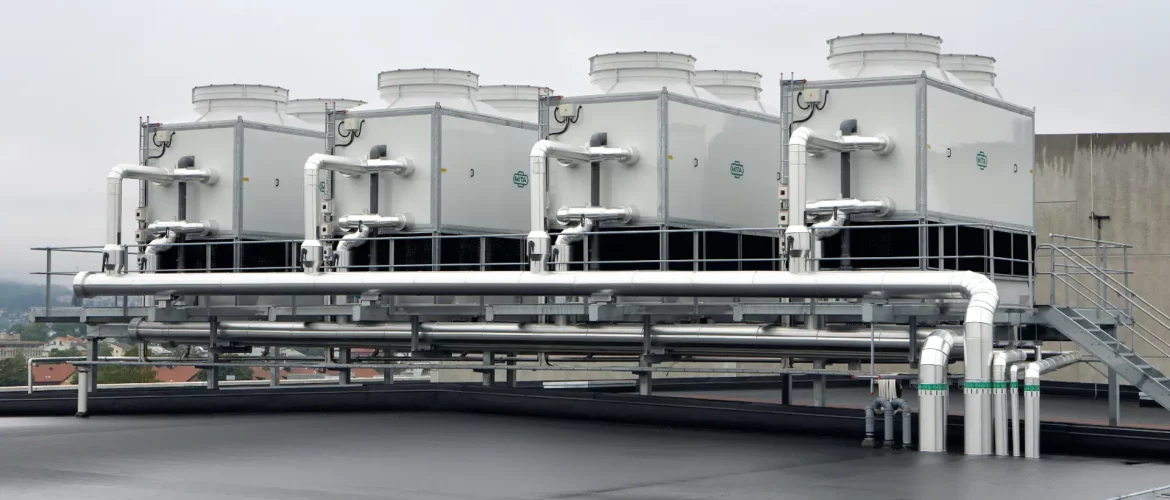
In the UAE’s demanding climate, cooling systems are not just a convenience; they are an essential part of keeping commercial and industrial facilities running efficiently. With high temperatures throughout much of the year, cooling towers play a major role in maintaining comfortable indoor environments and supporting large-scale HVAC operations.
However, like any mechanical system, cooling towers require regular care and attention. Without proper maintenance, cooling towers can lose efficiency, consume more energy, experience unexpected failures, and increase operational costs.
A well-planned cooling tower maintenance strategy helps facilities maintain reliable performance, extend equipment lifespan, and ensure that cooling systems continue working effectively even under challenging conditions.
Understanding the Role of Cooling Towers in UAE Facilities
A cooling tower is a heat rejection system designed to remove excess heat from water used in cooling processes. It is commonly connected with HVAC systems, chillers, and industrial cooling applications.
In commercial buildings, cooling towers support air conditioning systems by removing heat and helping chilled water systems operate efficiently.
They are commonly used in:
- Office buildings
- Hotels
- Shopping malls
- Hospitals
- Industrial facilities
- Large residential developments
Because cooling towers often operate for long periods in the UAE, they are exposed to heat, dust, humidity, and continuous workload. These factors make regular inspections and maintenance extremely important.
Why Cooling Tower Maintenance Is Important
A cooling tower that is not properly maintained can affect the entire cooling system. Small issues can gradually become major problems, leading to reduced performance and costly repairs.
Regular cooling tower maintenance services help with:
Improved Energy Efficiency
A clean and properly functioning cooling tower transfers heat more effectively. When components such as fill materials, fans, or water distribution systems become dirty or damaged, the system needs to work harder to achieve the same cooling results.
Routine maintenance helps:
- Reduce unnecessary energy consumption
- Improve cooling performance
- Maintain efficient operation
- Lower long-term operating expenses
For UAE facilities where cooling systems run extensively, energy efficiency can make a noticeable difference in overall building costs.
Longer Equipment Lifespan
Cooling towers include several mechanical and electrical components that experience continuous use.
Regular maintenance protects:
- Fans and motors
- Pumps
- Water distribution systems
- Structural components
- Internal surfaces
Early identification of wear and damage allows repairs before components fail completely.
Better Cooling Performance
A poorly maintained cooling tower may struggle to maintain the required temperature levels. This can affect indoor comfort and the performance of connected HVAC systems.
Proper maintenance ensures:
- Stable cooling capacity
- Consistent operation
- Reliable temperature control
Common Cooling Tower Problems in UAE Conditions
The UAE environment creates specific challenges for cooling tower systems. Dust, high temperatures, and water quality issues can impact performance.
Understanding common problems helps facility managers plan effective maintenance.
Scale Formation
Mineral deposits can build up inside cooling towers when water evaporates and leaves behind dissolved minerals.
Scale buildup can:
- Reduce heat transfer efficiency
- Block water flow
- Increase energy consumption
Regular cleaning and water treatment help control scaling issues.
Corrosion
Cooling towers operate in environments where metal components are exposed to water and air. Over time, corrosion can affect structural parts and mechanical components.
Preventive measures help protect equipment and reduce repair requirements.
Biological Growth
Warm water conditions can encourage the growth of bacteria, algae, and other microorganisms.
This can impact:
- Water quality
- System cleanliness
- Overall cooling performance
Proper water management and regular inspections are important parts of cooling tower maintenance.
Blocked Components
Dust and debris can collect in different areas of the cooling tower, affecting airflow and water circulation.
Blocked components may cause:
- Reduced efficiency
- Increased pressure on equipment
- Poor cooling output
Regular cleaning prevents these issues from affecting performance.
Essential Cooling Tower Maintenance Checklist
A structured maintenance plan keeps cooling towers operating efficiently. While maintenance requirements may vary depending on the system type and usage, several key checks should always be included.
1. Regular Inspection of Mechanical Components
Mechanical parts are responsible for keeping the cooling tower operational.
Maintenance teams should inspect:
- Fan motors
- Bearings
- Drive systems
- Belts
- Moving components
Any unusual vibration, noise, or performance change should be checked immediately.
2. Cleaning and Removing Deposits
Cleaning is one of the most important parts of cooling tower maintenance.
This includes:
- Removing dirt and debris
- Cleaning fill materials
- Inspecting water basins
- Clearing blockages
A clean system allows better airflow and heat exchange.
3. Water Quality Management
Water quality directly affects cooling tower performance.
Regular monitoring helps control:
- Mineral buildup
- Corrosion risks
- Contaminant levels
Proper water treatment supports efficient operation and reduces maintenance problems.
4. Checking Fans and Airflow
Fans help move air through the cooling tower. If airflow is restricted, cooling performance can drop.
Maintenance checks should include:
- Fan blade condition
- Motor performance
- Air movement
- Alignment issues
Keeping airflow consistent improves heat removal.
5. Inspecting Electrical Connections
Cooling towers rely on electrical components for operation.
Regular checks help identify:
- Loose connections
- Electrical wear
- Motor issues
This improves safety and prevents unexpected shutdowns.
Seasonal Cooling Tower Maintenance for UAE Buildings
Although cooling systems operate throughout the year in many UAE facilities, seasonal inspections are still valuable.
Before periods of heavy usage, facility teams should review:
- System performance
- Water circulation
- Mechanical condition
- Overall cleanliness
Preparing cooling towers before peak demand helps avoid breakdowns during critical periods.
Preventive Maintenance vs Reactive Repairs
Many facilities only address cooling tower issues after a failure occurs. However, reactive repairs often cost more and can cause unexpected disruptions.
Preventive maintenance focuses on identifying problems early.
Benefits include:
- Fewer emergency repairs
- Reduced downtime
- Better system reliability
- Improved budgeting
A planned maintenance schedule allows facility managers to stay ahead of potential problems instead of reacting after equipment performance declines.
How Professional Cooling Tower Maintenance Supports Facility Operations
Managing cooling towers requires technical knowledge and attention to detail. Professional maintenance teams understand system components, operating conditions, and safety requirements.
A reliable maintenance approach includes:
- Detailed inspections
- Performance monitoring
- Component servicing
- Cleaning procedures
- System optimization
This ensures cooling towers continue supporting the building’s HVAC infrastructure effectively.
Choosing the Right Cooling Tower Maintenance Approach
Every facility has different cooling requirements. A large commercial building may need more frequent inspections compared to smaller systems.
Factors that influence maintenance needs include:
- Cooling tower size
- Operating hours
- Environmental conditions
- Water quality
- Equipment age
A customized maintenance plan ensures the system receives the right level of care without unnecessary service costs.
Improve Cooling Efficiency with Expert Maintenance Support
A cooling tower is a critical part of any large cooling system, especially in UAE facilities where temperature control is essential. Regular maintenance improves performance, protects equipment, and helps businesses avoid unexpected operational issues.
From routine inspections to complete servicing, professional support ensures cooling systems remain efficient and dependable.
For facilities looking for reliable solutions, explore the MEP maintenance services provided by Multiline Projects to keep essential building systems operating smoothly with expert care and technical support.
Conclusion
Cooling tower maintenance is an important part of managing efficient and reliable building operations in the UAE. Regular inspections, cleaning, water management, and preventive servicing help improve cooling performance while reducing energy waste and repair costs.
A properly maintained cooling tower supports better indoor comfort, protects HVAC systems, and extends equipment life. Multiline Projects provides professional MEP solutions designed to help facilities maintain high-performing cooling and building systems for long-term efficiency.
FAQ
Most facilities benefit from monthly inspections and quarterly servicing, with a full annual overhaul before peak cooling season. Buildings that run cooling towers continuously or operate in dusty environments may need more frequent checks.
Unusual noise from fans or motors, visible scale or biological growth, a drop in cooling output, and rising energy bills without an obvious cause are all signs worth investigating. Catching these early prevents small issues from turning into costly breakdowns.
Many routine checks and minor servicing tasks can be carried out during normal operation. For deep cleaning or component replacement, a planned shutdown is usually required, and most maintenance teams schedule this during lower-demand periods to minimise disruption.
Scale buildup, corrosion, and biological growth reduce heat transfer efficiency, forcing the system to consume more energy for the same output. Over time, neglected towers experience more frequent failures, higher repair costs, and a shorter overall equipment lifespan.


No comments yet.