

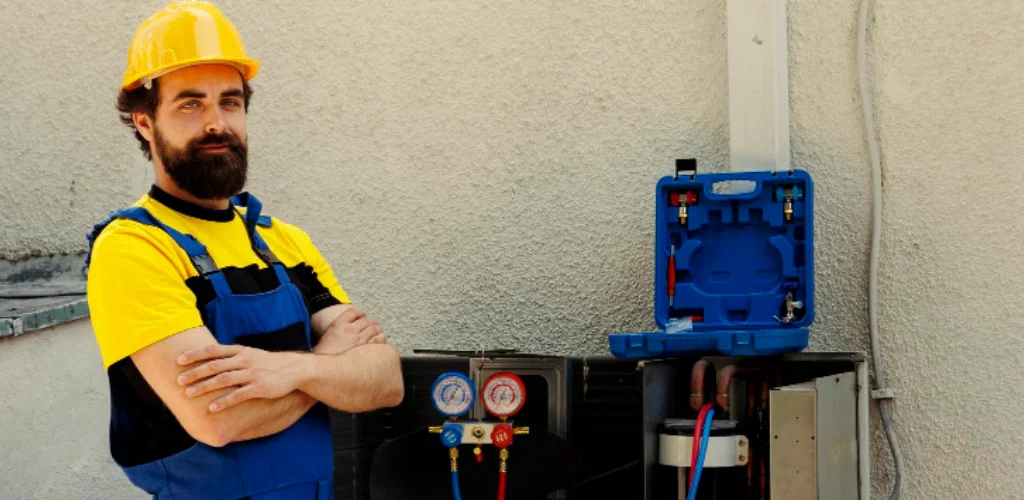
At 2 p.m. in July, a commercial building in Dubai loses cooling on one floor, complaints start within minutes, and the facility team is suddenly dealing with rising indoor temperatures, tenant pressure, and the risk of a full HVAC system shutdown. Businesses looking for chiller maintenance in Dubai often face unexpected system failures during peak summer when cooling is critical. For companies that cannot afford downtime, working with an experienced provider such as Multiline Projects is not just about servicing equipment; it is about protecting daily operations.
When one chiller problem turns into a building-wide issue
In Dubai, chillers carry a heavy cooling load for offices, hotels, retail spaces, healthcare facilities, and industrial sites. When performance drops, the effect is immediate. Tenants notice unstable temperatures, staff productivity falls, humidity rises, and complaints escalate fast. In some buildings, one weak chiller can also force the remaining system to run harder, increasing stress on the compressor, condenser, pumps, and controls.
For facility managers, the cost is rarely limited to one repair call. A breakdown can mean after-hours emergency attendance, disruption to occupancy, higher energy use, and in some cases damage to reputation if the building cannot maintain comfort during business hours. That is why commercial buyers do not search for chiller maintenance only after failure. They search when they want to reduce risk before summer exposes every weakness in the chilled water system.
What chiller maintenance actually looks like on site
Good chiller maintenance is not a box-ticking exercise. In commercial buildings, it involves practical work that directly affects reliability and efficiency. A proper visit should include inspection of operating pressures and temperatures, cleaning of condenser and evaporator-side components where applicable, checking compressor performance, verifying water flow, reviewing controls, and identifying early signs of wear before they become shutdown events.
Technicians should also inspect chilled water pumps, valves, strainers, insulation condition, electrical connections, and system sequencing. If the building uses water-cooled equipment, cooling tower condition and heat rejection performance matter as much as the chiller itself. In Dubai’s harsh operating conditions, dirt buildup, sand exposure, thermal stress, and long runtime can gradually reduce output without creating one obvious failure point.
This is why practical service matters more than theory. A maintenance team should be able to tell a client whether the unit is losing efficiency, whether the cooling load is being handled correctly, and whether the system is heading toward a repair issue. That level of visibility helps businesses plan service instead of reacting to faults.
The warning signs that mean you need chiller repairs
Most commercial chiller failures do not happen without warning. The problem is that early signs are often ignored until capacity drops at the worst time. If your building is taking longer to cool, if certain zones are uncomfortable, or if energy bills are rising without a clear reason, those are not minor issues. They often point to performance loss somewhere in the system.
Unusual noise is another serious indicator. Vibration, rattling, compressor strain, or abnormal pump sounds can mean mechanical wear or imbalance. Repeated alarms, short cycling, inconsistent chilled water temperatures, and frequent resets also suggest the equipment needs attention. This is where timely chiller repairs save money. Waiting too long usually turns a manageable issue into a larger failure involving parts replacement, longer downtime, and higher labour cost.
For commercial sites, fast diagnosis matters as much as the repair itself. A capable service team should isolate whether the fault sits in the compressor, condenser performance, electrical controls, water flow, sensors, or related HVAC system components. The faster the cause is identified, the faster the building can return to normal operation.
Why maintenance contracts beat emergency callouts
Emergency support is necessary when a unit goes down, but relying on breakdown calls alone is expensive. Preventive chiller maintenance gives businesses better control over service costs, equipment life, and system performance. Emergency work is usually reactive, urgent, and disruptive. Preventive service is planned, documented, and designed to reduce the chance of peak-season failure.
For many property managers, that is why annual maintenance contracts make more sense than one-off visits. A structured contract allows regular inspections, scheduled cleaning, early fault detection, and quicker response when something does go wrong. It also helps with budgeting. Instead of being hit with surprise repair costs during summer, the building has a clearer service plan and a provider already familiar with the site.
In practical terms, preventive maintenance usually costs less than repeated emergency repairs because it reduces secondary damage. A neglected issue in the chilled water system can push extra load onto the compressor, affect condenser efficiency, and increase overall power consumption. Over time, poor maintenance is not cheaper. It simply delays the cost until the failure becomes more disruptive.
What decision-makers should check before hiring a provider
Choosing a chiller maintenance company is not about who promises the lowest rate. Commercial clients in Dubai need a provider that can respond quickly, understands large systems, offers AMC support, and can be relied on during high-demand periods. Response time matters because cooling loss in a live building is an operational issue, not a routine inconvenience.
Experience with commercial chillers also matters. Large systems require technicians who understand plant rooms, chilled water networks, controls, pumps, air handling integration, and performance troubleshooting under real site conditions. Reliability matters just as much. A service provider should show consistency, not just availability.
For businesses evaluating options, partnering with a chiller maintenance company in Dubai that understands commercial HVAC demands can make a measurable difference in uptime, repair planning, and service continuity.
Why Multiline Projects fits the commercial requirement
Multiline Projects is positioned well for businesses that need reliable chiller maintenance in Dubai because the company already operates in the commercial HVAC space and supports building systems where downtime has real consequences. For facility teams, that matters. You want a provider that can handle commercial chillers, respond when cooling performance drops, and support ongoing maintenance rather than only attending after failure.
That combination of technical capability, reliability, and maintenance support is what commercial buyers typically look for when selecting a long-term HVAC partner in Dubai.
Book service before the next peak-load failure
If your building is showing signs of reduced cooling, unstable performance, or rising energy use, this is the right time to act. Schedule an inspection, request a maintenance contract, or arrange emergency support before a small issue becomes a major shutdown. For businesses that depend on consistent cooling, proactive chiller maintenance in Dubai is a practical decision, not an optional one.
FAQ
Commercial chillers should be inspected and serviced on a planned schedule throughout the year, with extra attention before peak summer. The exact frequency depends on operating hours, system size, and building usage, but high-demand facilities should not wait for annual-only checks.
Summer failures usually come from accumulated stress: dirty heat-transfer surfaces, poor condenser performance, electrical faults, water flow issues, sensor problems, or an overworked compressor trying to meet extreme cooling load.
Summer failures usually come from accumulated stress: dirty heat-transfer surfaces, poor condenser performance, electrical faults, water flow issues, sensor problems, or an overworked compressor trying to meet extreme cooling load.


No comments yet.