
In Dubai’s hot, dusty climate, maintaining an efficient HVAC system goes beyond choosing the right air conditioner. Air filters and duct systems work together to determine how effectively your HVAC system delivers clean, cool air while keeping energy consumption under control. Selecting the right HVAC air filter and ensuring your ductwork is properly designed, installed, and maintained can improve indoor air quality, lower electricity bills, extend equipment lifespan, and reduce costly repairs.
Whether you’re managing a residential villa, commercial office, retail space, or industrial facility, investing in the right filtration and duct solutions is essential for achieving maximum HVAC performance in the UAE.
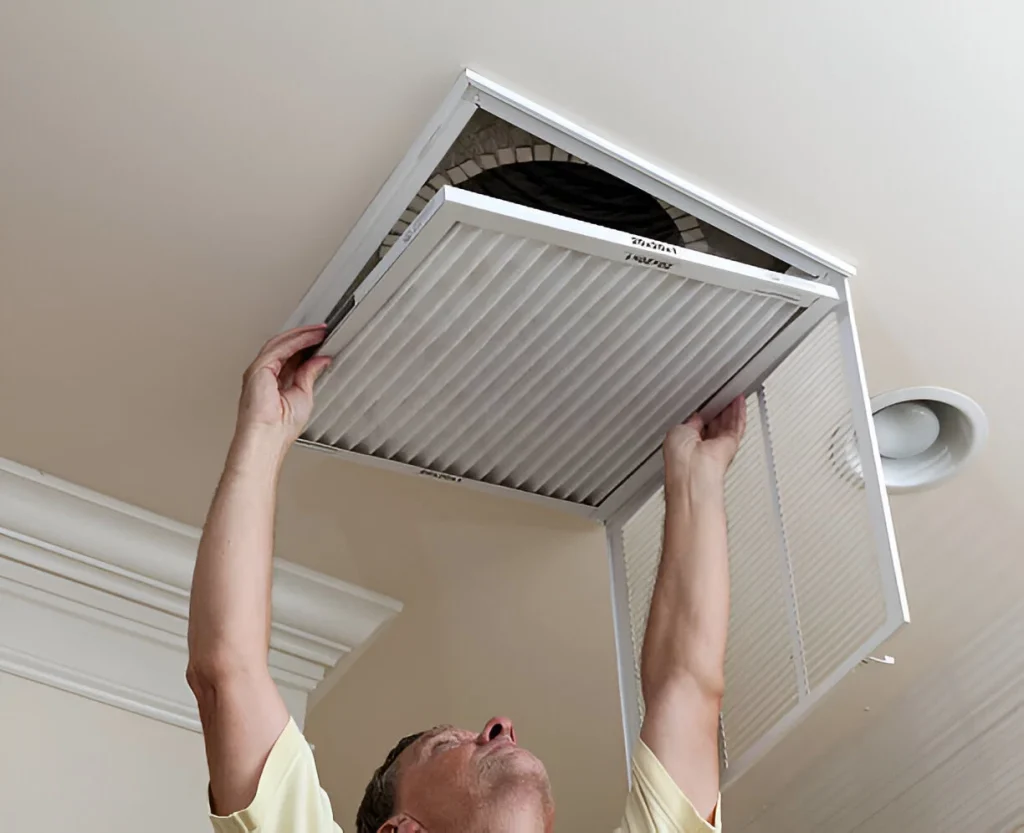
Air filters act as the first line of defense against dust, sand, allergens, pollen, and other airborne contaminants. In Dubai, where dust accumulation is a constant challenge, HVAC filters protect both occupants and the HVAC equipment itself.
A properly selected air filter helps:
When filters become clogged or unsuitable for the system, airflow becomes restricted. As a result, the HVAC unit must work much harder to maintain the desired temperature, leading to increased electricity bills and additional wear on system components.
Regular filter replacement and choosing the appropriate filtration level are essential for maintaining efficient HVAC performance throughout the year.
While air filters protect the system from contaminants, duct systems are responsible for distributing conditioned air throughout the building.
Even the highest-quality air filter cannot compensate for poorly designed or leaking ductwork. If ducts lose cooled air before it reaches occupied spaces, the HVAC unit must operate longer, consuming more electricity while providing inconsistent comfort.
A properly designed duct system ensures:
For buildings across Dubai, investing in both quality filtration and professionally engineered ductwork creates a complete energy-efficient HVAC solution.
Fiberglass filters are the most economical option available. They capture larger dust particles but provide limited protection against smaller pollutants such as pollen, bacteria, or fine dust.
These filters:
Considering Dubai’s high dust levels, fiberglass filters often require more frequent replacement and may not provide adequate indoor air quality.
Pleated filters are manufactured using cotton or polyester material and provide significantly better filtration than fiberglass options.
Their larger surface area allows them to trap:
Pleated filters offer an excellent balance between affordability, filtration efficiency, and airflow, making them one of the most popular choices for residential and commercial buildings.
Most require replacement every three to four months.
HEPA filters remove up to 99.97% of airborne particles as small as 0.3 microns.
They are ideal for:
Because HEPA filters create greater airflow resistance, HVAC systems must be designed to accommodate them before installation.
Electrostatic filters use static electricity to attract and capture airborne particles.
Advantages include:
Regular cleaning is necessary to maintain their filtration efficiency.
Activated carbon filters focus primarily on removing:
While they are not intended to replace particulate filters, they significantly improve indoor air freshness when combined with other filtration systems.
The Minimum Efficiency Reporting Value (MERV) measures an air filter’s ability to capture airborne particles.
Higher MERV ratings capture smaller contaminants but can also restrict airflow if the HVAC system isn’t designed for them.
For most buildings in Dubai, a MERV rating between 8 and 12 provides the ideal balance by effectively removing:
while maintaining sufficient airflow for energy-efficient operation.
Selecting an excessively high MERV rating without proper HVAC compatibility may reduce system performance instead of improving it.
Selecting the right HVAC air filter depends on several factors:
Homes with children, elderly occupants, or allergy sufferers often benefit from higher-efficiency filters such as HEPA or higher-MERV pleated filters.
Filters should improve air quality without placing excessive strain on the HVAC system. The correct balance between filtration and airflow is essential.
Not every HVAC system supports high-resistance filters. Always choose filters that match the manufacturer’s airflow recommendations.
Some filters require monthly replacement, while reusable options require regular cleaning. Consider maintenance costs before making a selection.
Efficient air filters perform best when combined with well-designed duct systems.
Poor ductwork creates several problems, including:
Studies indicate that poorly sealed ducts can lose up to 30% of conditioned air, forcing HVAC systems to consume significantly more energy.
Small gaps and poorly sealed duct joints allow conditioned air to escape before reaching occupied spaces.
Professional sealing using mastic sealant or foil-backed tape greatly improves system efficiency.
Incorrect duct sizing can negatively affect airflow.
Common issues include:
Professional duct design ensures air reaches every room evenly without unnecessary pressure loss.
Dubai’s extreme outdoor temperatures make insulation especially important.
Uninsulated ducts absorb surrounding heat, warming cooled air before it reaches occupied areas and increasing HVAC workload.
Quality insulation helps preserve cooling efficiency while reducing energy consumption.
Over time, air ducts collect:
Dirty ducts reduce airflow and negatively impact indoor air quality.
Professional duct cleaning every three to five years helps maintain system performance.
Even premium duct materials cannot perform efficiently if installation is poor.
Professional duct installation focuses on:
Securely sealed joints minimize air leakage and improve HVAC efficiency.
Load calculations determine the ideal duct dimensions for each building, preventing airflow restrictions.
Professionally positioned ducts reduce heat gain and distribute conditioned air more evenly.
Avoiding unnecessary bends and long runs helps maintain consistent airflow.
High-quality insulation protects conditioned air while traveling through unconditioned spaces, reducing cooling losses.
When quality air filters and professionally designed duct systems work together, building owners benefit from:
Proper airflow and reduced leakage can lower HVAC energy consumption by up to 20%.
Clean filters and sealed ducts minimize airborne pollutants, creating healthier indoor environments.
Balanced airflow eliminates uncomfortable hot and cold spots throughout the building.
Reduced system strain lowers wear on compressors, blowers, and other critical HVAC components.
Efficient systems experience fewer breakdowns and require fewer emergency repairs.
To maintain peak HVAC efficiency:
Regular inspections help identify clogged filters before airflow becomes restricted.
Dubai’s dusty environment often requires replacement every two to three months, depending on filter type.
Annual servicing ensures all HVAC components, including filters, coils, fans, and ducts operate efficiently.
Annual duct inspections help identify leaks, insulation damage, or airflow restrictions before they become expensive problems.
Watch for these common warning signs:
Addressing these issues early helps prevent major system failures.
With over 25 years of experience, Multiline Group provides complete HVAC solutions designed specifically for the UAE’s demanding climate.
Our services include:
Our experienced engineers deliver solutions that improve indoor comfort, reduce operating costs, and maximize HVAC system performance while complying with Dubai’s quality and sustainability standards.
In Dubai's dusty climate, most HVAC filters should be replaced every two to three months, although replacement frequency depends on filter type, occupancy, and environmental conditions.
Yes. Filters with very high MERV ratings can restrict airflow if the HVAC system isn't designed for them. Always select a filter compatible with your equipment.
Duct systems distribute conditioned air throughout the building. Properly sealed, insulated, and designed ducts reduce energy loss, improve airflow, and maintain consistent indoor comfort.
Common signs include uneven cooling, high electricity bills, excessive dust, weak airflow, and noisy HVAC operation. A professional inspection can identify leaks, insulation problems, or airflow restrictions.
Professional duct inspections are recommended annually, while duct cleaning is generally advised every three to five years, depending on building usage and environmental conditions.
Yes. Properly sealed, insulated, and professionally installed duct systems can reduce energy waste by up to 20–30%, resulting in noticeable savings on cooling costs.
Choosing the right air filter is only one part of creating an efficient HVAC system. To achieve maximum performance in Dubai’s challenging climate, high-quality air filtration must be combined with properly designed, sealed, insulated, and professionally installed duct systems. Together, these components improve indoor air quality, enhance occupant comfort, reduce energy consumption, and extend the lifespan of HVAC equipment.
Whether you’re constructing a new building or upgrading an existing HVAC system, investing in the right filtration and ductwork solutions delivers long-term operational savings and reliable performance. At Multiline Group, we provide complete HVAC solutions, from air filter selection and duct installation to maintenance and energy optimization, helping residential, commercial, and industrial clients achieve healthier, more efficient indoor environments across the UAE.
WhatsApp us
Adding {{itemName}} to cart
Added {{itemName}} to cart